
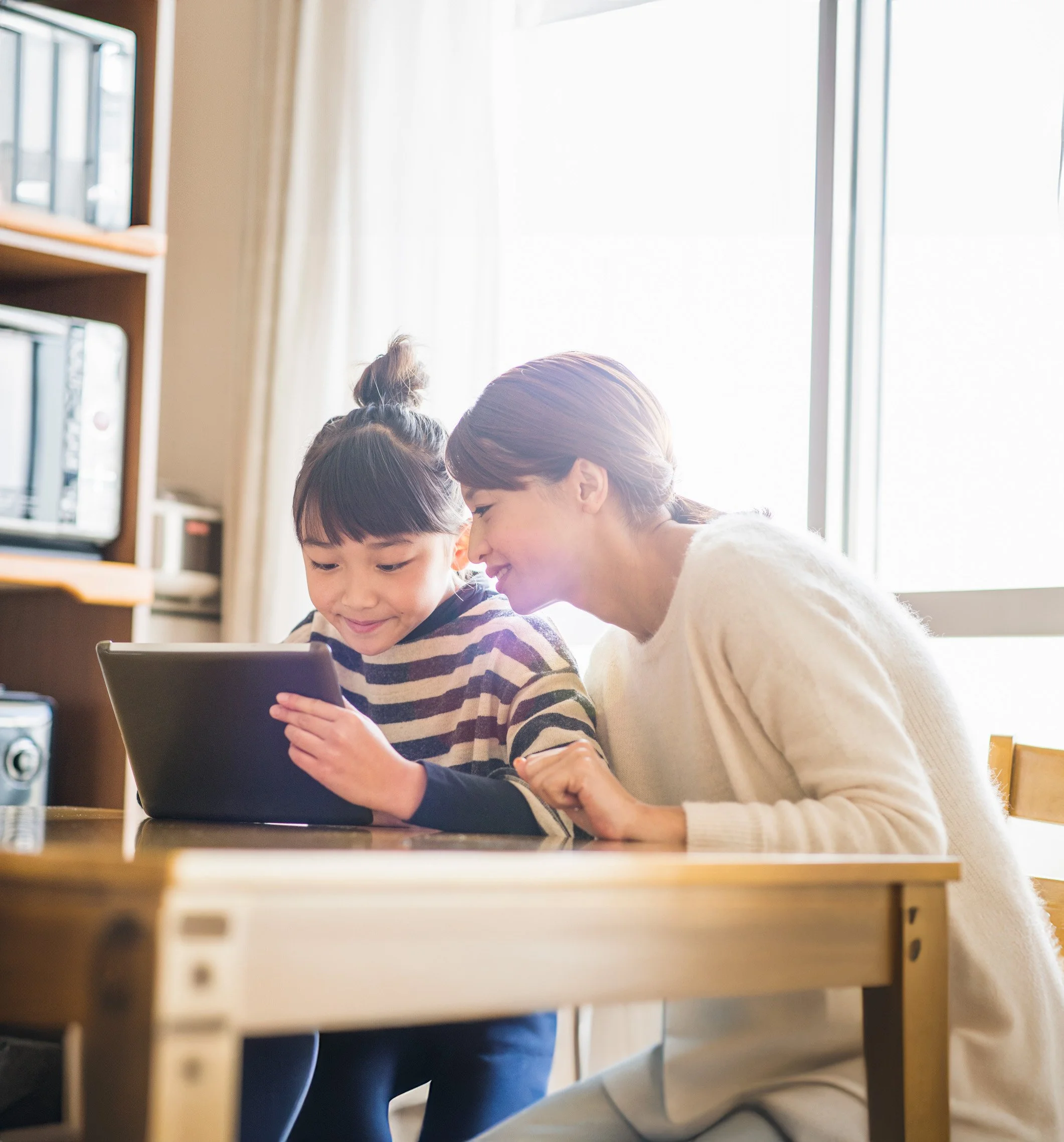
How We Teach Feelings
When social-emotional learning starts early, it shapes how children grow, relate, and thrive.
Together, these approaches form a gentle yet evidence-based framework that nurtures emotional growth through story, connection, and everyday practice, helping children build empathy, resilience, and confidence that last a lifetime.
SEL stands for
Social Emotional Learning

...And the term was first coined by Collaborative for Academic, Social, and Emotional Learning in 1994. Since then, the curriculum has become seen as essential by many for children from preschool through high school, and has been pioneered in over 200 countries by the Six Seconds organization.
SEL addresses five broad areas of competence: self-awareness, self-management, social awareness, relationship skills, and responsible decision-making.
The Research Behind Elm Sprouts
What Are Social Stories?
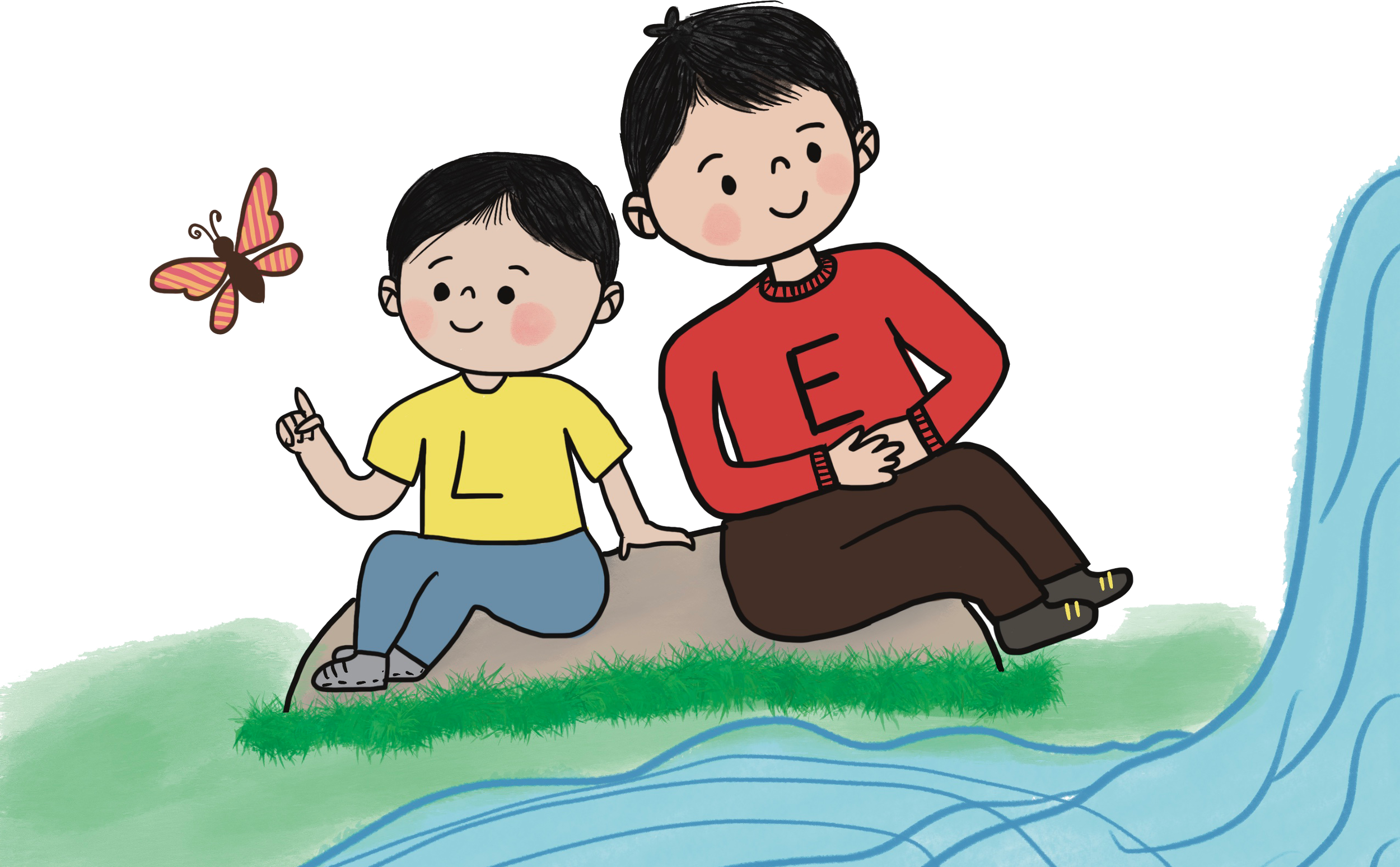
Inspired by the work of Carol Gray, the founder of Social Stories, Elm Sprouts draws from this evidence-based approach while using a different structure. While traditional Social Stories were developed to support children on the autism spectrum, Elm Sprouts’ stories are written in a dialogue-based format that is developmentally appropriate for young children.
These short digital stories are designed for families to read together, supporting children in understanding emotions, recognizing their feelings, and learning appropriate ways to respond. By introducing Social-Emotional Learning (SEL) concepts early and reinforcing them at home and in conjunction with school learning, Elm Sprouts supports stronger decision-making skills and helps children develop the emotional tools necessary to navigate future life challenges.
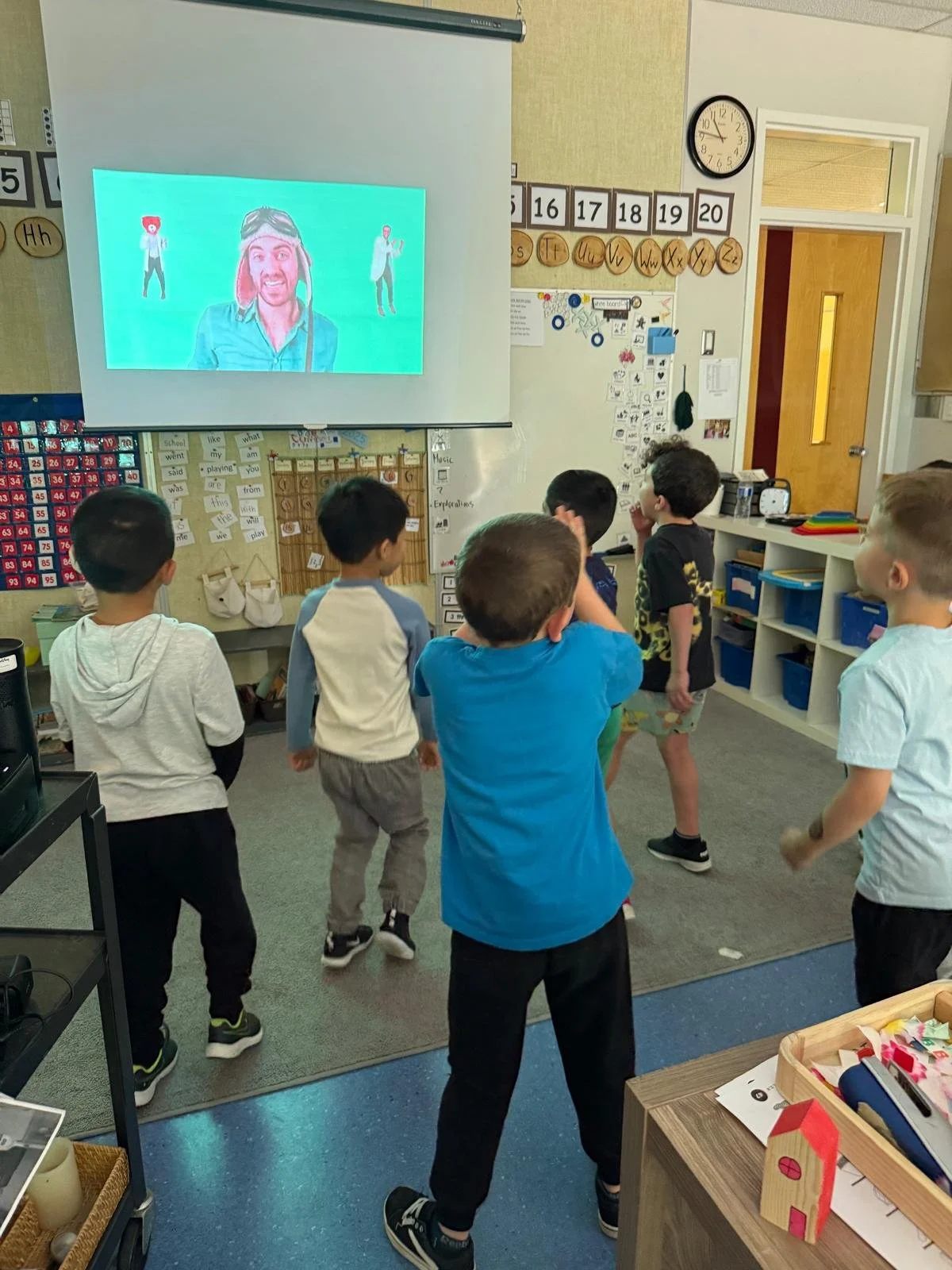
A study by Donna Housman (2017) found that emotional competence in early childhood directly links to stronger brain development, improved self-regulation, and better lifelong performance.
According to the Collaborative for Academic, Social, and Emotional Learning (CASEL), Social-Emotional Learning (SEL) boosts children's academic outcomes, with students in SEL programs gaining an average of 11 to 13 percentile points in achievement.
Similarly, Daniel Goleman, a pioneer in emotional intelligence, captures early emotional growth: "Family life is our first school for emotional learning; in this intimate cauldron we learn how to feel about ourselves and how others will react to our feelings; how to think about these feelings and what choices we have in reacting; how to read and express hopes and fears."
These insights highlight why home-based SEL matters: Building emotional and social skills young equips children to manage feelings, make wise decisions, and tackle challenges confidently into adulthood.

Engaging Stories
Each short social story reflects real-life emotions and everyday situations, helping children connect feelings with actions. With engaging audio voice-overs, the stories create a developmentally supportive social-emotional learning experience.

Family Activities
Each story includes simple, guided activities that encourage reflection, communication, and emotional growth. These activities support meaningful family interaction and help integrate social-emotional learning into everyday life.

Research-Backed SEL Tools
Each resource is thoughtfully developed using evidence-based practices from early childhood research. Tested in classroom and family settings, these tools support emotional development and lifelong learning.